

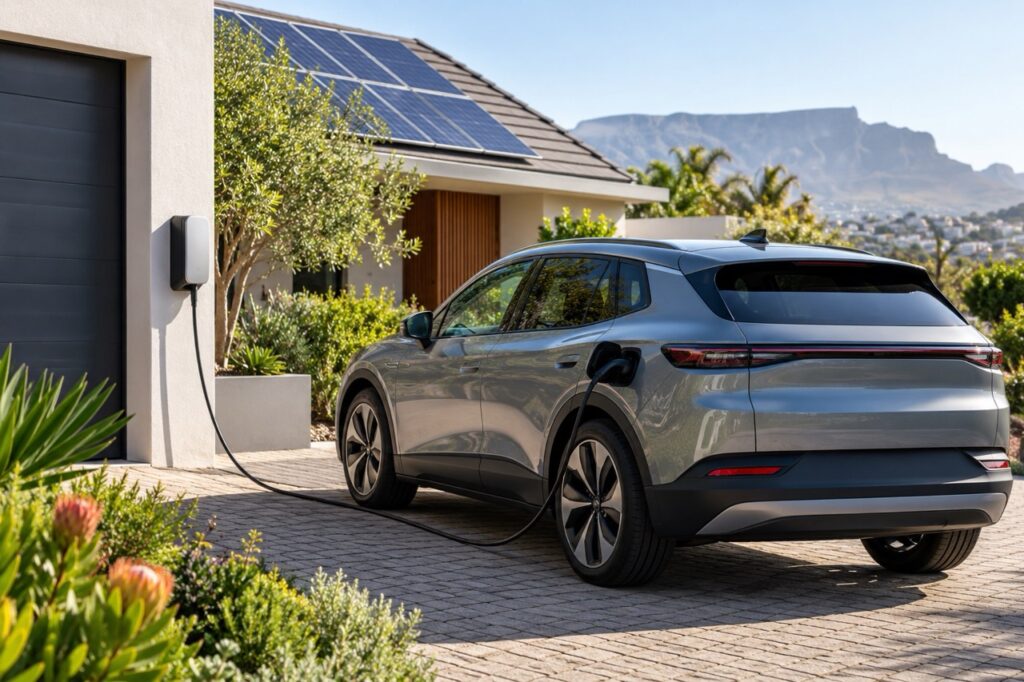
Electric cars are becoming a more familiar sight on roads around the world. Improvements in battery technology and the growth of charging networks have made them a practical option for some drivers. If you are considering an electric vehicle, it helps to understand how it works, what it may offer, and what to check before making the switch.
In this blog, we look at the potential benefits of electric cars, how charging and running costs can vary, and the questions to consider before choosing one.
1. No Tailpipe Emissions While Driving
Battery-electric vehicles do not produce exhaust emissions from a tailpipe while being driven. This can reduce local exhaust pollution, particularly in busy streets. The overall climate impact also depends on how the electricity is generated and the resources used to manufacture the vehicle and its battery, so electric cars are not impact-free.
2. Potentially Lower Energy Costs
The cost of charging depends on your electricity tariff, where you charge, the vehicle’s efficiency, and the price of petrol or diesel. Home charging may be convenient, and some drivers may find it costs less per kilometre than refuelling a conventional car. Compare your likely charging costs with your current fuel expenses before deciding.
3. Fewer Routine Engine Services
Electric cars do not need engine oil changes, spark plugs, or exhaust-system maintenance. They still require regular checks, including tyres, brakes, suspension, cabin filters, and other vehicle-specific items. Regenerative braking can reduce wear on brake components in some driving conditions, but maintenance needs vary by vehicle and use.
4. Quiet, Responsive Driving
Electric motors deliver power smoothly and can respond quickly when accelerating. At low speeds, electric cars are generally quieter than petrol or diesel vehicles, although tyre and road noise remain, especially as speed increases.
5. Efficient Use of Energy
Electric motors convert a larger share of the energy stored in the battery into movement than a combustion engine typically converts from fuel. Regenerative braking can recover some energy as the car slows down and return it to the battery. Driving style, terrain, weather, and air-conditioning use all affect real-world efficiency and range.
6. Charging at Home or on the Road
With a suitable home charging setup, many owners can charge their vehicle while it is parked overnight. Public charging can help on longer journeys, but availability, charging speed, compatibility, and pricing differ between locations. In South Africa, plan regular routes around chargers you can access and allow time for charging stops.
7. Fewer Moving Parts in the Drivetrain
Battery-electric vehicles have a simpler drivetrain than conventional cars, with no combustion engine, exhaust system, or conventional multi-speed gearbox. This can mean fewer engine-related service items, though the vehicle still has many parts that need inspection and care. Battery condition, warranty terms, and repair support are important ownership considerations.
8. How Electric Cars Can Fit into a Lower-Carbon Future
Electric vehicles can be part of a broader shift toward lower-emission transport, especially as electricity generation includes more renewable sources. They can also pair with home solar and smart charging, where the home installation and local electricity setup allow. Vehicle-to-grid features are not available with every car or charger, so check compatibility before relying on them.
Things to Consider Before Buying an Electric Car
- Driving range: Compare the advertised range with your regular journeys and allow for weather, speed, load, and air-conditioning effects.
- Charging access: Check whether you can charge at home, at work, or near the places you travel.
- Purchase and ownership costs: Include the vehicle price, insurance, tyres, charging equipment, electricity, and service costs.
- Battery warranty: Read the warranty period, distance limits, and conditions carefully.
- Long-distance travel: Map charging stops and check charger availability and speed along your route.
- Vehicle fit: Consider passenger space, luggage capacity, towing needs, and the type of driving you do.
Conclusion
Electric cars offer quiet operation, responsive performance, and no tailpipe emissions while driving. Charging convenience and running costs depend on the vehicle, electricity pricing, and access to chargers. Reviewing your travel patterns and local charging options can help you decide whether an electric car suits your household or business.
Keeping any vehicle clean is part of regular care. Sanitize Today’s Fleetwash Food Grade Car / Truck Shampoo is one vehicle-cleaning product in the range. Follow the product directions and your vehicle manufacturer’s care guidance when washing your car.