
Holiday travel can bring crowded roads, busy transport hubs, and more online booking activity. A little preparation can help you protect your belongings, personal information, and travel plans.
Before you leave
- Book flights, accommodation, and tours through reputable providers. Check the web address carefully, look for independent reviews, and contact the business using details found on its official website.
- Be cautious of unusually low prices, urgent “last chance” deals, or requests to pay by gift card, cryptocurrency, wire transfer, or an unfamiliar payment link. These can be signs of a scam.
- Confirm reservations directly with the airline, hotel, or tour operator using its official app or website—not phone numbers or links sent in an unexpected message.
- Check cancellation terms, baggage rules, check-in times, and transport arrangements before paying. Keep receipts and confirmation numbers.
- Share your itinerary with someone you trust. Save copies of your travel documents securely and keep a separate record of emergency contacts.
- Tell your bank where you’re travelling if needed, review account alerts, and know how to freeze your card if it is lost.
At airports, stations, and other busy places
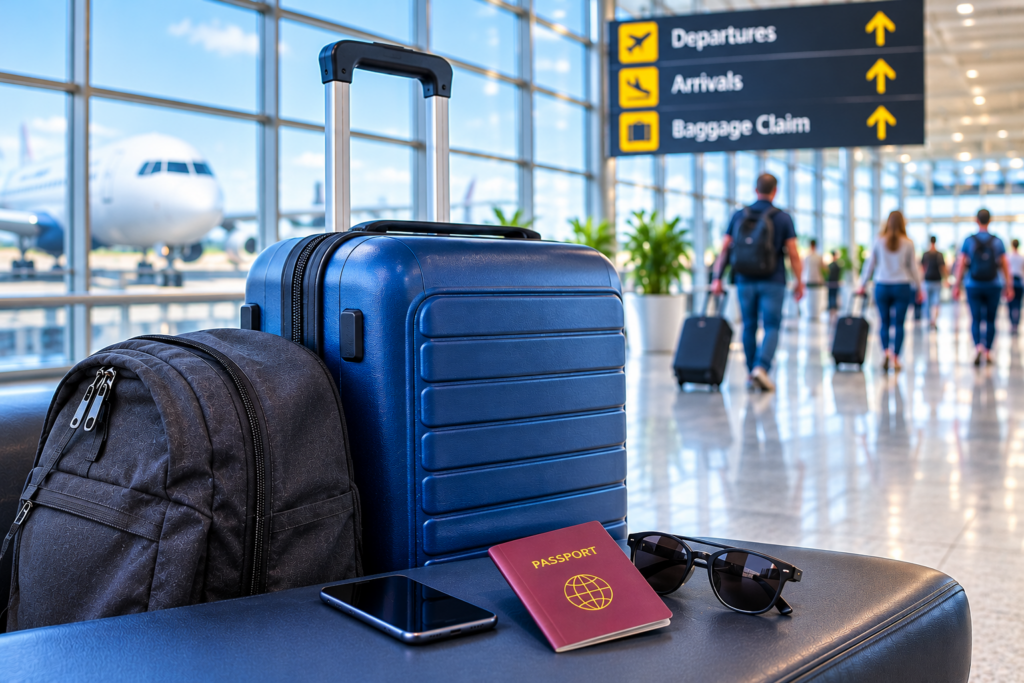
- Keep bags zipped and in sight, especially in queues, cafés, and crowded boarding areas. Avoid placing your phone or wallet in an easy-to-reach pocket.
- Be wary of strangers who create distractions, offer unsolicited help with luggage or ticket machines, or ask you to hold an item for them.
- Use official taxi ranks, licensed ride-hailing apps, or transport desks. Verify the vehicle and driver details before getting in, and don’t accept unsolicited rides.
- Avoid discussing your room number, travel dates, or personal details where others can overhear.
- If someone claims to be an official and asks for money or sensitive information, verify their identity through the relevant organisation’s official channel.
Avoid booking and payment scams
- Watch for fake accommodation listings, copied property photos, and hosts who insist on moving the conversation off the booking platform.
- Don’t pay outside a platform’s protected checkout if you booked through that platform. Never share passwords, one-time passcodes, or banking login details with someone who contacts you.
- Treat unexpected messages about a cancelled booking, a failed payment, or a refund as suspicious—especially if they ask you to click a link or provide card details. Open the official app or type the provider’s web address yourself to check.
- Be cautious of fake customer-support numbers in search results, social media posts, or messages. Use contact information from the provider’s official website or app.
- If you’ve paid and suspect fraud, contact your bank or card provider promptly using the number on your card or its official app.
If you’re driving
- Check your vehicle, route, weather, and traffic before setting off. Keep your phone charged and use hands-free navigation safely.
- Wear seat belts, obey local road rules, and take regular breaks. Don’t drive when tired or after drinking or using drugs.
- Don’t leave valuables visible in a parked vehicle. Choose well-lit parking areas and lock the doors.
- If you break down, contact roadside assistance using a trusted number. Be cautious if an unexpected person offers help and asks for payment or personal details.
Protect your belongings and information
- Use a strong passcode and enable device tracking. Avoid conducting sensitive banking activity over public Wi-Fi; use your mobile network or a trusted secure connection.
- Keep your passport, cards, and cash in separate secure places, and carry only what you need for the day.
- Don’t post live updates that reveal you’re away from home or share booking details, boarding passes, or documents publicly.
- If a card or phone goes missing, block it promptly through your bank or service provider’s official app or contact channel.
If something feels wrong
Pause before paying, clicking a link, or sharing information. Verify the request independently using an official contact method, and ask a trusted person for a second opinion. If you’re in immediate danger, contact local emergency services.
A calm, prepared approach can make holiday travel safer—and help you spot pressure tactics before they turn into costly problems.